“With chins tucked down as if walking into a blizzard.”
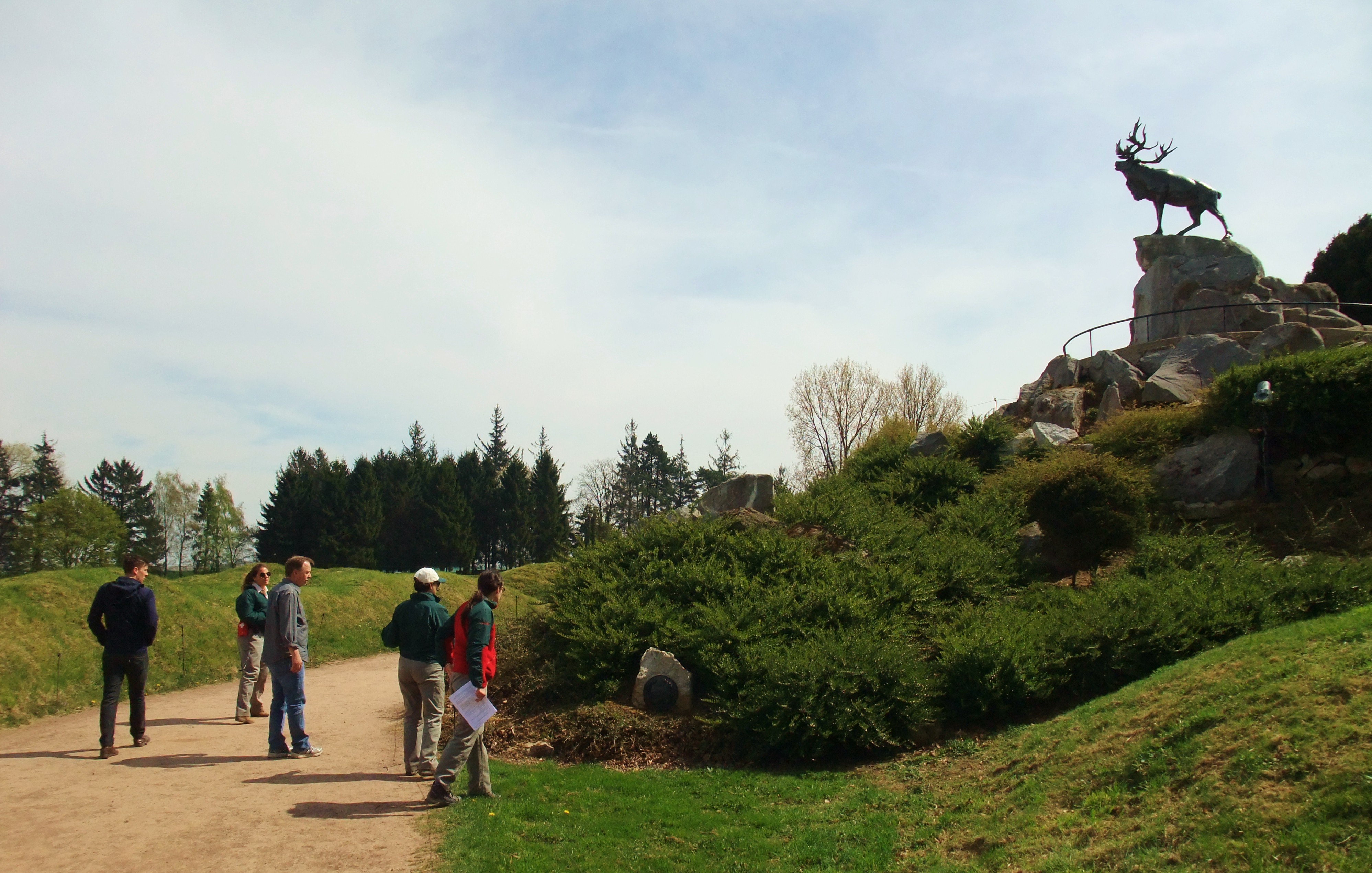
A regal bronze caribou, head held skyward, stands atop a 15 metre high granite-embossed hill in France. The statue is surrounded by trees and plants native to Newfoundland, such as juniper, spruce and dogberry, and looks out across a preserved battlefield. Under this land, vacant except for small tour groups and sheep, lie hundreds of soldiers with no known grave.
The caribou marks the front in northern France upon which the Newfoundland Regiment was all but wiped out on the first day of the Battle of the Somme, July 1, 1916. Or, to be more accurate, in the first 30 minutes of its offensive.
After visiting the Thiepval Memorial in northern France, dedicated to the Somme battles in their entirety, we travelled to an even more personal level of acreage to Canadians, and Newfoundlanders in particular – the Beaumont-Hamel Newfoundland Memorial. The caribou is one of six identical statues that commemorate the Regiment around France and Belguim, as well as in St. John’s, Newfoundland.
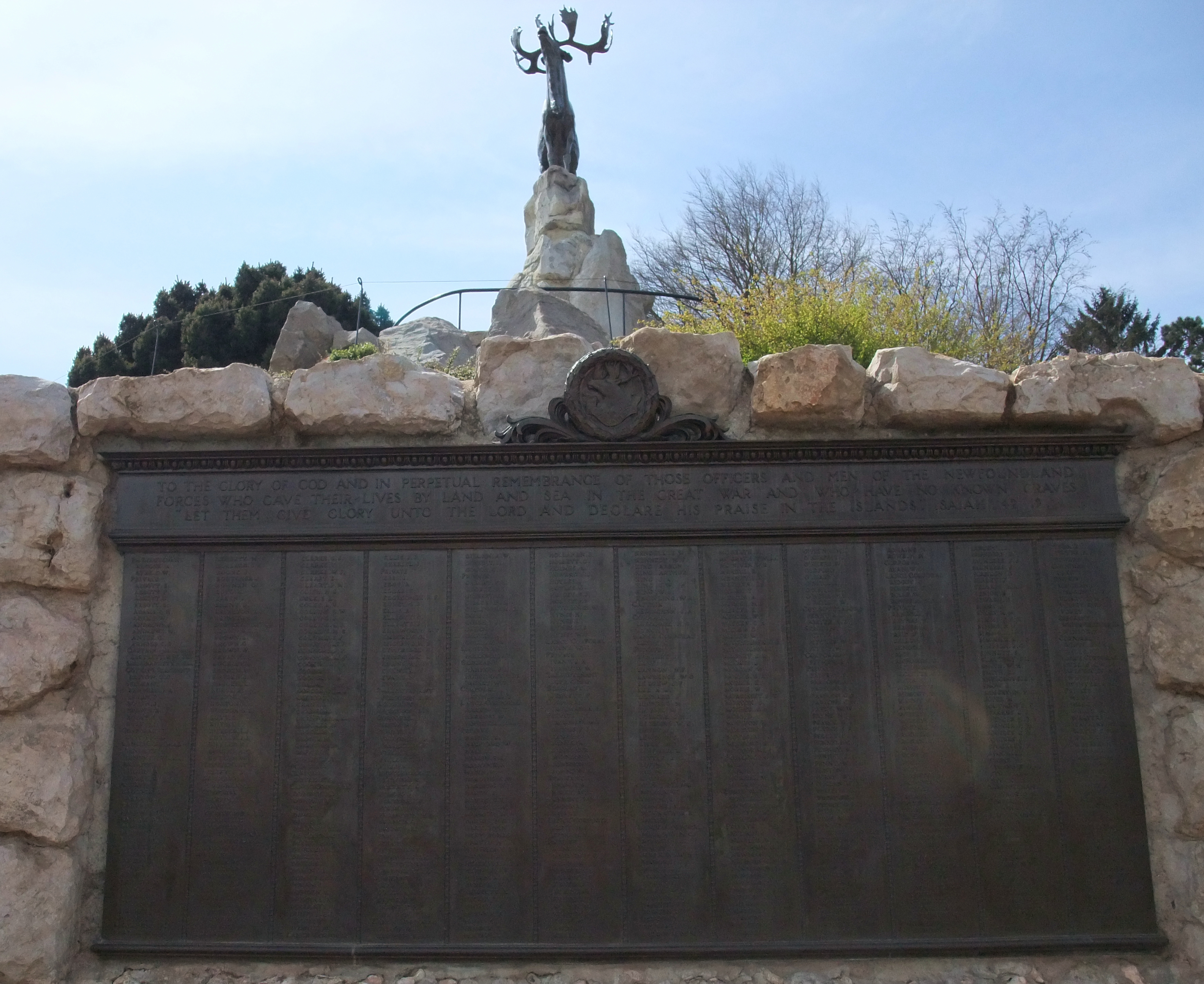
Mounted below the caribou are three bronze plaques with the names of the Regiment’s 814 members who have no known grave. Standing in front of the plaque, it is hard not to notice the number of sets of brothers, fathers and sons, and cousins who served together and died together. It is fitting then, that the following Gaelic words are inscribed above them: “La a’Blair s’math n Cairdean. (Friends are good on the day of battle).”
This site, purchased by the people of Newfoundland in 1921, is the largest battalion memorial on the Western Front and is one of only two Canadian national historic sites outside of our country. The other is Vimy Ridge. It is also the largest preserved area of the Somme battlefield and one of the few places that visitors can see the actual trench lines and the battlefield in its natural state.
-
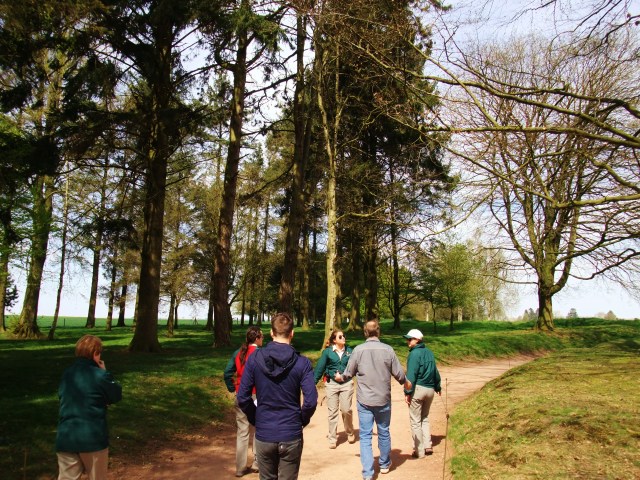
- At the entrance to the memorial site is a plague engraved with the following words by the English journalist and poet who went by the pen name John Oxenham: “And with bowed head and heart abased Strive hard to grasp the future gain in this sore loss. For not one foot of this dank sod But drank its surfeit of the blood of gallant men Who for their Faith, their Hope, for Life and Liberty Here made the sacrifice. Here gave their lives, and right willingly for you and me.”

-
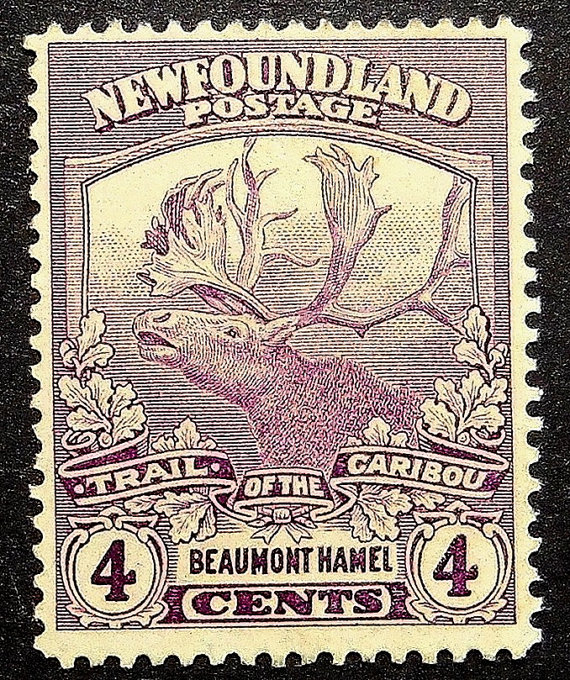
- One man in particular is responsible for the memorial’s existence. Lieutenant Colonel Tom Nangle, the Regiment’s Roman Catholic Priest, negotiated with 250 French landowners in order to buy this site for our Canadian island. He also chose the caribou – the Regiment’s emblem – as the winning design for the memorial – one of sixteen plans submitted to the Government of Newfoundland.

-
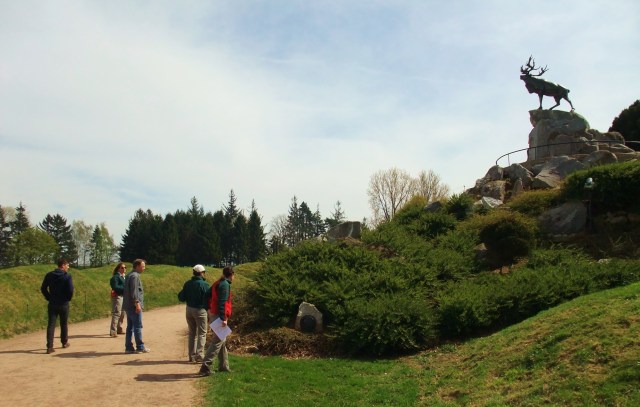
- As is the case with many Canadian battle sites in France, the Canadian government employs its own university students to lead the tours of its war memorials. We had one such student guide us around Beaumont-Hamel. Her colleague – a serious gal who gives tours at Vimy Ridge – was there that day to grade her on her performance skills. She asked her some tough questions – even more tough than Neil’s. We gave our guide an unnecessary amount of applause at the end.
Even though Newfoundland hadn’t had an official military group since 1870, and despite the fact that the island was still not an official part of Canada when the First World War broke out, the Government of Newfoundland recruited a fighting force for the British Army. What was initially a battalion of 500 volunteers quickly grew to the strength of 1,000. After being stationed in Egypt and Gallipoli, the Newfoundland Regiment left for France in March of 1916 and readied themselves for combat during the three months that preceded the Battle of the Somme.
The plan was to capture a northern patch of the 45 km front that the Germans had been successfully manning for nearly 20 months. Up until then, the German defenders remained basically unscathed by the French and British due to their deep dugouts, tunnels and rough entanglements of barbed wire that guarded their three defensive lines. Fighting alongside British troops, July 1 would mark the Newfoundlanders’ first official “engagement” of the war.
In the days leading up to the battle, Private Francis Lind described the Regiment’s attitude towards the war in a letter to the Daily News: “No pen could describe what it is like, how calmly one stands and faces death, jokes and laughs; everything is just an every day occurrence. You are mud covered, dry and caked, perhaps, but you look at the chap next you and laugh at the state he is in; then you look down at your own clothes and then the other fellow laughs. Then a whizz bang comes across and misses both of you, and both laugh together.”
In the early morning hours of Canada’s future national holiday, there were three waves of Allied attacks. Perhaps the biggest misjudgment on the part of the British was deciding to detonate 18,000 kg of explosives 700 metres away from Beaumont-Hamel in the hopes of creating a distraction from the imminent onslaught of British forces. However, the explosion ultimately warned the Germans of the impending land attack and the decision to wait ten minutes before sending Allied troops over the top gave the Germans time to prepare. Most of the first two waves of British men were killed, while the Newfoundland Regiment waited in its trench for the order to move forward.
What ensued was a great deal of confusion and conflicting reports on the status of the Allies. A German signal flare was mistaken for a sign of Allied success in overtaking the German line, for example. And so, the Newfoundlanders were ordered to attack. With no friendly fire to protect them from behind, and the Germans having clearly identified where they would be advancing from, most men were either killed or wounded before they even reached No Man’s Land.
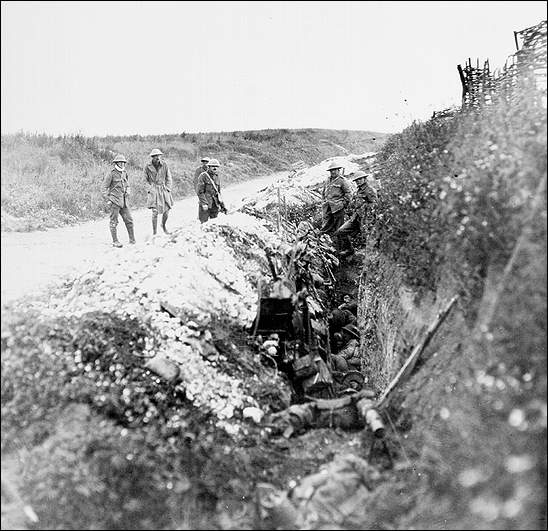
Only 20 minutes after leaving St. John’s Road trench – pictured here – about 85% of the Allied soldiers who advanced had been either killed or wounded.
“A great many fell before they even crossed the British line. Many more were hit as they picked their way through the gaps in the British wire. With exemplary courage, the survivors picked up their assault formations as best they could and ‘with chins tucked down as if walking into a blizzard’ continued toward the German line about 400 metres further on.”
For the few men who did progress further, the only means of cover was a single tree that was thereafter known as the “Danger Tree”. The Danger Tree became a rallying point for survivors and, therefore, a spot of concentrated German fire. The small amount of men who did reach the German line soon saw that their protective barbed wire had not been destroyed by the Allies’ artillery barrage, as had been anticipated. Most of these men were killed. And those who weren’t had a nearly impossible task of making it back over No Man’s Land to the Allied side.
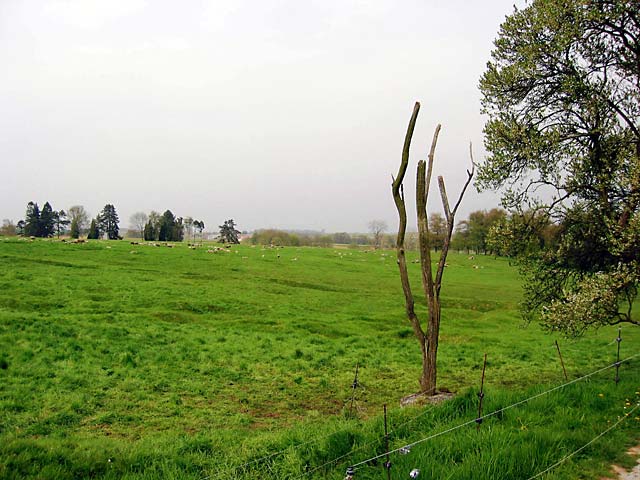
A replica of the Danger Tree stands in No Man’s Land today. About 130 Newfoundlanders are believed to be buried in the battlefield. Private Francis Lind, whose letters home are cited above, died near the Danger Tree.
“It was a magnificent display of trained and disciplined valour, and its assault failed of success because dead men can advance no further.”
~ Major-General Sir Beauvoir De Lisle

No Man’s Land.
Private James McGrath described the scene to the Newfoundland Quarterly: “The Germans actually mowed us down like sheep. I managed to get to their barbed wire, where I got the first shot; then went to jump into their trench when I got the second in the leg. I lay in No Man’s Land for fifteen hours, and then crawled a distance of a mile and a quarter. They fired on me again, this time fetching me in the left leg, and so I waited for another hour and moved again, only having the use of my left arm now. As I was doing splendidly, nearing our own trench they again fetched me, this time around the hip as I crawled on. I managed to get to our own line which I saw was evacuated as our artillery was playing heavily on their trenches. They retaliated and kept me in a hole for another hour. I was then rescued by Captain Windeler who took me on his back to the dressing station a distance of two miles. Well, thank God my wounds are all flesh wounds and won’t take long to heal up.”
To make matters worse, each soldier had a small shiny triangular piece of tin on the back of his uniform, which was supposed to be a helpful locator for aircraft and artillery observers. However, they were also markers for German snipers and machine gunners who could track these reflectors working their way through No Man’s Land.
“Of the approximately 800 men who went forward only about 110 survived unscathed, of whom only sixty eight were available for roll call the following day.”
Though immediate reports of the bloody battle were given to the families of the soldiers in Newfoundland, it took several weeks for some families to know whether or not their men had survived. In the months that followed, the Newfoundland Battalion eventually regained its numbers. Only six weeks later they were fighting off gas attacks at Flanders and continued to take part in major battles throughout the war.
The Regiment’s reputation for unwavering valour was recognized by more than its grateful home and future country.
“The esteem in which the Newfoundlanders were held may be illustrated by a spontaneous tribute. In October 1918, the Battalion was temporarily held up outside the Belgium hamlet of Steenbeck. From the right flank a mounted officer came galloping toward them. He proved to be Brigadier General Freyberg, VC. When within hailing distance he shouted, ‘Who are you?’ ‘Newfoundlanders’ was the reply. ‘Thank God, my left flank is safe,’ exclaimed the Brigadier as he wheeled his horse.”
After their successful stand at the Battle of Camprai, despite being once again outnumbered, King George V awarded them the prefix “Royal”, making them the Royal Newfoundland Regiment. They were the only Regiment in the history of World War One to receive this honour.
 Just To Clareify
Beautiful post Clare. You tell these stories so beautifully. I am looking forward to the next.
Love Uncle T
You’re so nice to comment, Uncle T- thanks so much for reading. 🙂
Clare, having visited Beaumont-Hamel with a renown historian of the Great War, I can assure your readers that you missed nothing in your description of the memorial and its historical significance. Reading your piece made me feel like I was there with Norm again! Your guide must have been great. With all the knowledge you retained to compile this work, I’m not sure it is fair to say the guide received an, “unnecessary amount of applause at the end”. I applaud your article! Like Tim, I encourage you to keep them coming. UB
Uncle Bill, thanks again for taking the time to read it! Your thoughts mean a lot to me. When we were at Thiepval, we noticed a group of 3 men being led around by a historian and we were immediately reminded of your trip and how amazing that must have been. The guide we had at Vimy was even better, so I’m looking forward to recalling everything she told us there. Thanks again for your approval. Clare